At ARK Academy, we approach the topic of history not as a series of events, names, and dates to be memorized and forgotten, but as an ongoing story that should be relevant to our students, one in which they see reflections of themselves. To that end, our coverage of history places the greatest emphasis on those areas of world history that we believe are most relevant to our students’ identities as Muslims living in America. These include ancient history, including Qur’anic narratives of early prophets (Grades 1-2), the history of the Islamic World (Grades 2-5), European history (introduced in Grades 2-3 with greater coverage in Grades 4-5), and American history (Grades 4-5). But in the spirit of integration, we are concerned not only with these histories in isolation, but also in how they fit together. In this blog post, we’ll take a look at how our coverage of American history, starting in the fourth grade, spotlights the role actual Muslims (and the idea of Islam and Muslims) have played in this history.
Islam and the “New World”
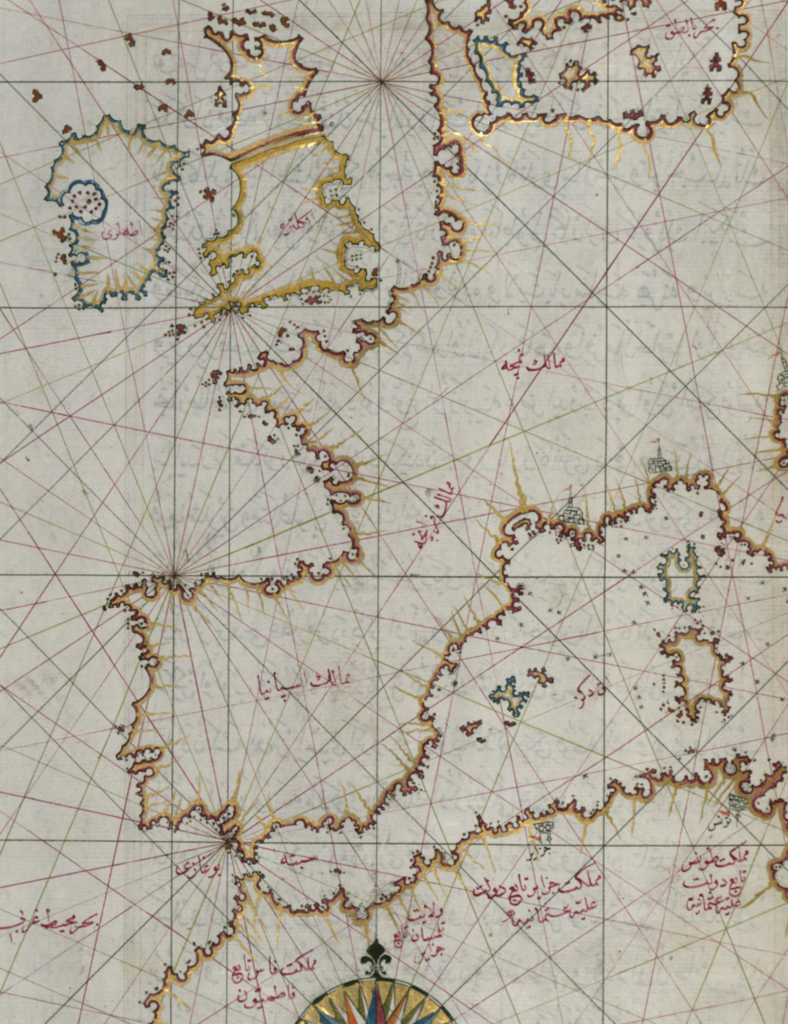
Muslims have played a part in the story of America from the very beginning of the colonial period, although Muslim participation in this story has often been rendered invisible in most school curricula. Students at ARK Academy will learn about the connection between two pivotal events, both of which took place in 1492: the fall of the Muslim Emirate of Granada (in what is now southern Spain), and Columbus’ first voyage across the Atlantic Ocean. Our curriculum will introduce students to historical research that suggests that a number of the early European explorers who set foot somewhere in the “New World” were likely Muslims. For example, some of these explorers may have been Moriscos who had at least nominally converted from Islam to Christianity, but may have privately kept their Muslim beliefs.
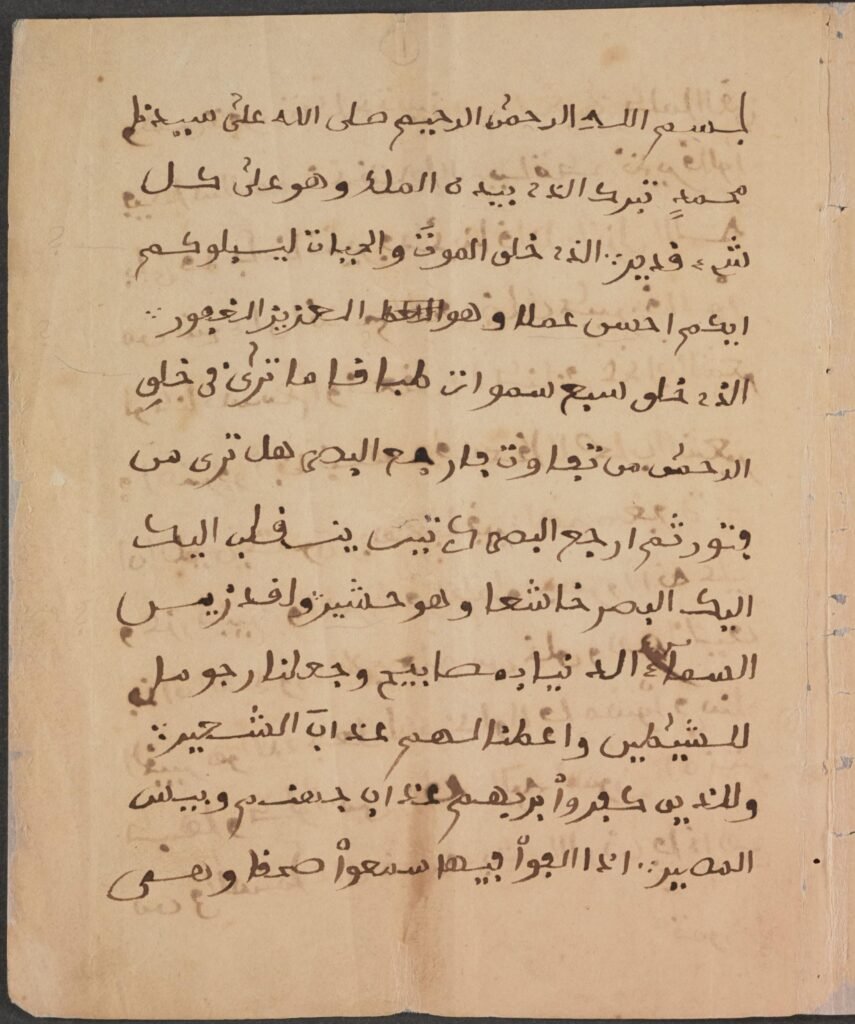
Muslims were present not only in the Spanish colonies, but from an early date Muslims were also living in the British colonies that would eventually become the first U.S. states. Tragically, these Muslims were forcibly brought to the colonies as slaves. Our curriculum will elaborate on the trials of these early African-American Muslims as part of the greater topic of slavery in the U.S.. Due to the sensitive nature of this important subject, this material will be presented to students with great care and in a developmentally appropriate manner. Our curriculum will showcase the narratives of select individual enslaved African Muslims from the eighteenth and nineteenth centuries, including Prince Ayuba Suleiman Diallo, and the scholar Omar ibn Said.
Our curriculum will also introduce our students to the various attitudes toward Muslims that were held by British colonists, including those who would become the Founding Fathers of the United States of America. For example, the explorer John Smith (the same one depicted in the 1995 Disney film Pocahontas) held a negative attitude toward Muslims, as he had previously fought against Turkish Muslims in battle. But on a more positive note, some later colonists imagined an America that would be tolerant of people of all religions, mentioning Islam as a specific example.
Our coverage of “early” American history will allow our students to feel that Muslim individuals and communities have played a role in the founding of this country from the “very beginning.” Muslims cannot be reduced to a relatively “recent” minority community of immigrants.
Connections between U.S. History and Muslims in the 19th and Early 20th Centuries
Our presentation of American history following the United States’ independence from Britain, will continue to spotlight the role played by Muslims in the nineteenth and early twentieth centuries. Students will learn about the United States within a global context in which Muslims exist. For example, students will not only learn about the American Civil War, but they will learn how this war impacted Muslims. First, historical evidence shows that a number of American Muslims actually fought in the war. Second, students will learn that cotton exports from the Southern United States were greatly limited during the American Civil War, which enabled the fledgling modern state of Egypt to become a leading cotton exporter. Another example connecting the U.S. to the greater Islamic World is a pattern of Muslim immigration from the Ottoman lands (including present-day Syria and Lebanon) and British India into the U.S. that began in the late nineteenth century and continued well into the twentieth century. Among these immigrants were many Shi’i Muslims who settled in midwestern states like Michigan and Indiana, including Titanic Survivor Fatima Muhammad Muslamani. By exposing students to such connections, we aim to deepen their appreciation of both American history and the history of the Islamic World.
Coming Up: Muslims in America Today
Our curriculum is being designed so that our core coverage of world history reaches roughly the dawn of World War I (1914) at the end of Grade 5. Of course, our students need to know not just who American Muslims were in some historical sense, they need to know who they are now. Our students need to understand how they themselves fit into this story. God-willing, in our next blog post, we will share how our curriculum seeks to present students with the diversity of American Muslims in the present day, and the more recent twentieth and twenty-first century historical background that helps explain where we are today.
Image: Surat al-Mulk from the Qur’an copied by the enslaved scholar Omar ibn Said in 1831 at the beginning of his autobiography.