In the previous two blog posts, we took a look at how we approach teaching the history of the Islamic world and the West within our integrated Islamic studies curriculum. In this blog post, we’ll focus on our curriculum’s treatment of American History.
American History and Why It Matters
American History constitutes a cornerstone of nearly all K-12 history curricula used throughout the United States. Both the California State standards and the C3 Framework place great (and justifiable) emphasis on American history. We acknowledge that it is essential for students to know about the history of the nation that they call home. This is especially true in the U.S., a nation where adult citizens are (ideally) expected and encouraged to participate in civic life. Moreover, at ARK, our guiding learner outcomes document states that “our students will possess a broad body of foundational knowledge that will empower them to live fulfilling and purposeful lives as confident and thoughtful Muslims in contemporary American society.” Therefore, our curriculum also devotes substantial coverage to American History. However, preparing our students to engage in American civic life and discourse specifically as Muslims, calls for a carefully tailored treatment of the subject of American history.
American History As Part of World History
Our coverage of American history differs from typical treatments of the subject in that we present American history as a part of world history, rather than a stand-alone subject. Indeed, even world history itself is just one part of our integrated Islamic studies curriculum. ARK students will be introduced to various aspects of American geography, government, culture, symbols, and holidays from Kindergarten onward. Starting in fourth grade, ARK students will begin a systematic study of American historical events in a global context. This context allows us to highlight the role that the United States played within so-called “Western Civilization,” and how the United States impacted (and was impacted by) the Muslim World.
Which Kind of American History?
American history can be (and is) presented in different ways. We aim to present a balanced view that highlights both positive and negative chapters in American history. Ultimately, we want to help our students build a foundation that will allow them to form their own nuanced opinions on different issues pertaining to American history. In particular, we take an approach that emphasizes Native American history, the history of the British colonies, Black American history and the American institution of slavery, everyday life including the evolving role of women in American society, immigration to the United States from around the world, the ever-changing place of religion within the nation, and the United States constitution.
Our coverage of American history throughout fourth and fifth grade will span from the history of the Indigenous people living in the Western Hemisphere before the arrival of Europeans (and before anyone referred to these continents as “the New World” or “the Americas”) until the late nineteenth century. Supplementarily, students will also be introduced to select events, figures, and issues pertaining to the twentieth and twenty-first centuries. This coverage not only meets, but also exceeds the coverage of American history prescribed by the History-Social Science Content Standards for California Public Schools.
Coming Up: Muslims in American History
Our integrated curriculum’s coverage of American history will also spotlight the role Muslim individuals and populations have played within this history. ARK students will be exposed to the diversity of Muslim communities present in America past and present. We will elaborate more on these aspects of our curriculum in our next blog post in sha Allah.
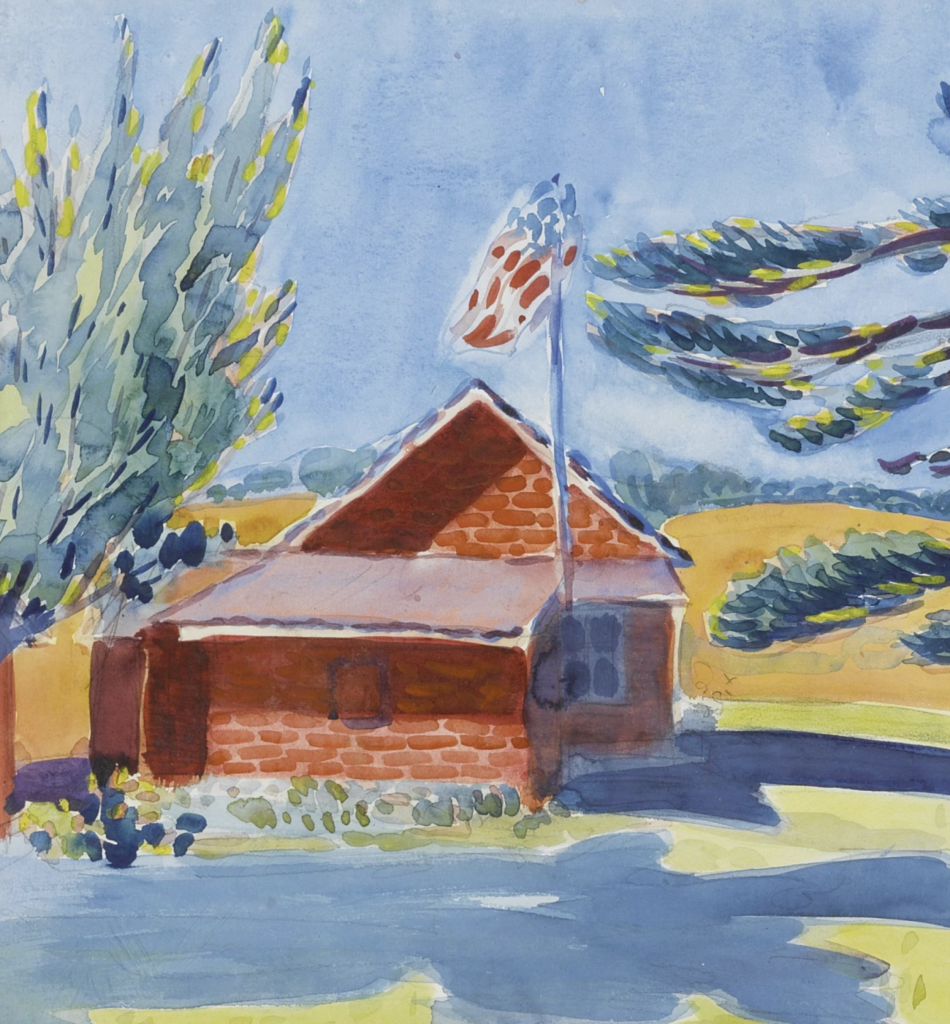
Image: Old Schoolhouse, Ryders (c. 1929) by the American artist George Luks (1866-1933).